
 ₹https://wificonnections.hathway.com/hathway/mumbai/oshiwara/hathway-fiber-broadband-in-oshiwara-mumbai--2cOxTW/articles/digital-parenting-tips-in-2026-smart-internet-safe--44a994ca-72e7-4d00-89e6-eca563a9765d
Hathway Fiber Broadband, Oshiwara, mumbai
Internet Service Provider Store in Oshiwara, Mumbai, Maharashtra
Shop No 16, Om Heera Panna, Ground Floor, Oshiwara, mumbai, maharashtra - 400102
Get a Call Back for a new connection
Hathway Fiber Broadband Social Feeds in Oshiwara, mumbai

Digital Parenting Tips in 2026: Smart Internet Safety Features Every Parent Should Know in Oshiwara, mumbai
The current generation of children is
living in a digital world where the internet is a way of life. From online
learning and educational applications to streaming services, video games, and
social media, technology has turned into an essential part of childhood in Oshiwara,
mumbai.
Even though the internet provides unbelievable
learning and creativity opportunities, it also brings about significant
concerns for parents. The issues most parents fear is unsuitable content,
cyberbullying, excessive screen time, and online privacy threats.
In 2026, digital parenting is not
about completely limiting internet use. Rather, it is concerned with
creating a safe, balanced, and responsible digital environment in which
children can explore the online world safely.
Parents can help their children
acquire healthy online habits by using smart internet safety tools,
parental control features, and open communication.
The Importance of Digital Parenting
The number of interconnected
devices in homes has grown tremendously over the past few years. Smartphones,
smart TVs, laptops, gaming consoles, and voice assistants are now part of a
typical household.
Children use digital devices for:
●
Online classes and learning
materials
●
Video watching and streaming
programs
●
Gaming and interactive
entertainment
●
Communication with friends
and social media
●
Research and innovation
projects
Parents are currently seeking internet
safety tools and parental control features that assist in safeguarding
children online.
Common Internet Dangers That Parents Are Worried About
Awareness assists parents in selecting
appropriate internet protection mechanisms.
The most frequent concerns are:
Viewing of Inappropriate Materials
Children can accidentally access inappropriate
websites or videos not suitable for their age.
Cyberbullying
Social media, messaging platforms, or
gaming communities are all possible sources of online harassment.
Unsafe Online Interactions
Children can communicate with unknown
individuals on social media or gaming platforms without being aware of the
dangers.
Excessive Screen Time
Excessive time on digital gadgets may
influence sleep, concentration, and overall health.
Privacy and Data Security
Children may post personal
information online without understanding the risks.
Smart internet safety features enable parents to deal with these risks without restricting the
positive advantages of technology.
Smart Internet Safety Features Every Modern Home Should Have
1. Home Wi-Fi Content Filtering
With content filtering, parents
can block inappropriate or harmful websites across all devices connected
to the home network.
Benefits include:
●
Blocking access to adult or
unsafe content
●
Preventing phishing and spam
websites
●
Ensuring safety across multiple
devices
Most modern routers support content
filtering and child-specific profiles.
2. Monitoring Online Activity with Parental
Control Apps
Parental control apps enable parents to understand how children use digital devices.
Popular apps include:
●
Google Family Link
●
Qustodio
●
Bark
●
Norton Family
●
Net Nanny
These apps allow parents to:
●
Monitor app usage
●
Set screen time limits
●
Block unwanted websites
●
Receive alerts about risky
behavior
These tools help parents stay informed
without constant supervision.
3. Establishing Parental Control on Streaming
Devices
Streaming platforms are one of the
most common ways children consume content.
Most platforms now offer built-in
parental controls to create age-appropriate viewing profiles.
Parents can:
●
Block mature content
●
Create kids’ profiles
●
Limit screen time
●
Monitor watch history
Examples include:
●
Netflix Kids profiles
●
Disney+ parental controls
●
YouTube Kids
4. How to Turn on Safe Search in Browsers
Safe search features help filter out explicit or harmful content in search results.
Parents can enable safe search on:
●
Google
●
Bing
●
YouTube
●
Chrome
●
Safari
This ensures inappropriate results
are automatically filtered and blocked.
Mobile Internet Safety Tools
Children increasingly access the
internet through smartphones and tablets.
Fortunately, both Android and iOS
offer built-in parental safety features.
Examples include:
●
Apple Screen Time – Controls screen usage and app limits
●
Google Family Link – Monitors activity and manages apps
●
Mobile Security Apps – Provide additional filtering and monitoring
These tools help protect children even
outside the home Wi-Fi network.
Comparison of Family Internet Security Suites
Many families use all-in-one
internet security software.
Typical features include:
●
Website filtering
●
Screen time control
●
Activity monitoring
●
Malware protection
●
Device tracking
Popular options include:
●
Norton Family
●
McAfee Safe Family
●
Kaspersky Safe Kids
These solutions provide centralized
control across multiple devices.
Educating Children on Responsible Social Media Use
Technology alone cannot ensure safety.
Teaching responsible digital behavior is equally important.
Parents can guide children by:
●
Explaining the risks of sharing
personal information
●
Encouraging respectful
online behavior
●
Teaching how to handle cyberbullying
●
Setting limits on screen
time and social media
Open communication helps children feel comfortable discussing their online
experiences.
Developing a Family Digital Device Usage Agreement
A family digital agreement
helps define how technology is used at home.
It may include rules such as:
●
Approved apps and websites
●
Daily screen time limits
●
Device usage during study time
●
No gadgets during meals
●
Limited usage before bedtime
This helps build healthy digital
habits.
Educational Applications to Promote Positive Screen Time
Not all screen time is harmful. Many
apps support learning and creativity.
Popular educational apps include:
●
Khan Academy Kids
●
Duolingo
●
Scratch
●
National Geographic Kids
These apps encourage productive and
meaningful digital engagement.
Simple Internet Safety Precautions Every Family Should Have
Parents can follow simple steps to
improve online safety:
●
Enable two-factor
authentication
●
Use strong passwords
●
Keep devices updated
●
Review privacy settings
●
Teach children to avoid suspicious
links
Even small precautions can
significantly reduce risks.
Building a Safer Internet Home Environment for Kids
Children’s digital activity often
revolves around the home Wi-Fi network.
From online classes to gaming and
streaming, most devices rely on a stable home internet connection.
This is why parents are now choosing internet
service providers that offer built-in parental controls and security features.
A secure broadband connection and
advanced router technology can help create a safer digital environment.
The Importance of Secure Home Wi-Fi in Digital Parenting
A modern home internet system may
include:
●
Content filtering
●
Parental control settings
●
Safe browsing protection
●
Network monitoring tools
●
Screen time management
These features ensure children use the
internet in a controlled and secure environment.
Safe Internet Experience for Families
Families today prefer Wi-Fi solutions
with secure routers and parental control features.
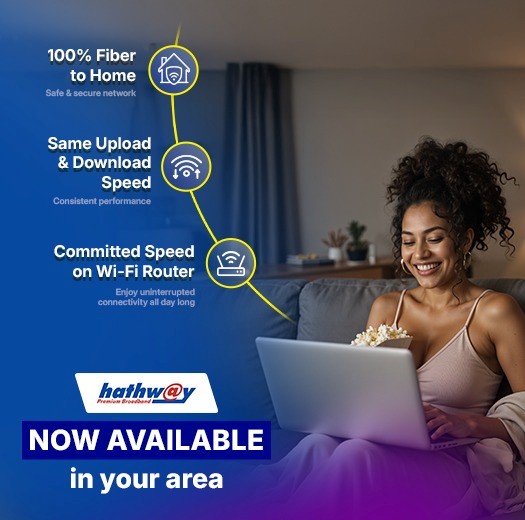
Some providers like Hathway offer
broadband services designed for modern digital households.
Families can:
●
Safely stream educational
content
●
Monitor children’s internet
usage
●
Control device access
●
Enjoy reliable and
uninterrupted connectivity
A secure Wi-Fi setup provides peace
of mind for parents.
The Future of Digital Parenting
Technology is evolving rapidly, and
new tools are emerging to support internet safety.
Future innovations may include:
●
AI-powered parental controls
●
Smart routers with built-in
filtering
●
Automated screen time
management
●
Personalized safety alerts
These advancements will make digital
parenting more effective and easier.
Conclusion – Digital Parenting in Oshiwara, mumbai
In 2026, digital parenting is about
balance. The internet offers unlimited opportunities for learning,
creativity, and communication, but it also requires guidance and
protection.
Parents in Oshiwara, mumbai
can create a safe and healthy digital environment using:
●
Parental control apps
●
Safe browsing tools
●
Family internet rules
●
Secure broadband and Wi-Fi
systems
A combination of smart safety
features, responsible habits, and open communication helps families
maximize the benefits of technology while minimizing risks.
FAQs – Smart Internet Safety & Digital Parenting
Q: Which are the most effective apps for
monitoring children online?
Apps like Google Family Link,
Qustodio, Bark, Norton Family, and Net Nanny help track usage, manage
screen time, and block harmful content.
Q: How can I set parental controls on streaming
platforms?
Most platforms like Netflix,
Disney+, and YouTube allow child profiles, content restrictions, and
viewing controls.
Q: How do I configure content filters on my home
Wi-Fi router?
Most modern routers allow blocking
websites, filtering categories, and managing device access through admin
settings or mobile apps.
Q: Which routers offer parental control features?
Brands like Netgear, TP-Link, Asus,
and Google Nest WiFi provide routers with built-in parental controls and
monitoring tools.
Q: What are the best internet safety tools for
children?
Tools include parental control
apps, router-level filters, safe search settings, and mobile controls.
Q: Can I block inappropriate content on mobile
devices?
Yes, both Android and iOS devices
provide built-in parental controls for app restrictions and content
filtering.
Q: Why is two-factor authentication important?
It adds an extra layer of security,
helping prevent unauthorized access to online accounts.